Overview Of Pin Jesus And Its Cultural Significance In Nigeria
In Nigeria, a country steeped in rich religious history and vibrant cultural expressions, the symbol of Pin Jesus has emerged as a notable motif within the gambling and betting industries. While traditionally associated with Christian iconography, the adaptation of Pin Jesus into gambling environments, particularly within slots, crypto casinos, and sportsbook branding, reflects a nuanced intersection of faith, entertainment, and commerce. Understanding this phenomenon requires examining its cultural significance, its role in marketing strategies, and the unique ways it influences user engagement on various platforms.

In the Nigerian context, religious symbols carry profound meaning, often serving as sources of comfort, guidance, and moral reflection for millions. The integration of Pin Jesus into gambling platforms does not merely serve aesthetic purposes; it often leverages the familiarity and emotional resonance of religious imagery to foster trust and connection among users. For many Nigerian players, seeing the image of Jesus or motifs associated with Him on a betting site evokes a sense of divine protection or blessing, psychologically enhancing their confidence in the platform or promotional offers.
In the Nigerian context, religious symbols carry profound meaning, often serving as sources of comfort, guidance, and moral reflection for millions. The integration of Pin Jesus into gambling platforms does not merely serve aesthetic purposes; it often leverages the familiarity and emotional resonance of religious imagery to foster trust and connection among users. For many Nigerian players, seeing the image of Jesus or motifs associated with Him on a betting site evokes a sense of divine protection or blessing, psychologically enhancing their confidence in the platform or promotional offers.
Furthermore, the use of Pin Jesus in casino branding and advertising campaigns taps into the cultural landscape where Christianity plays a central role in daily life. Casinos and betting operators that employ these symbols often do so with strategic intent, aiming to create a sense of community and shared values while distinguishing their brand within a crowded market. These symbols may appear subtly, such as on loyalty pins and promotional materials, or prominently in themed slot games and online interfaces, aligning gambling as an activity that is part and parcel of Nigerian cultural identity.
The incorporation of Pin Jesus extends beyond mere branding; it influences how players perceive the legality and safety of a platform. For Nigerian players, symbols associated with faith often serve as unspoken assurances of reliability and integrity, especially in an industry where trust is paramount. Many gambling operators have recognized this psychological factor and utilize religious iconography to foster a sense of legitimacy and spiritual goodwill, making players more comfortable participating despite the nature of betting activities.
It’s worth noting that this practice is deeply rooted in the social fabric of Nigeria, where religion and cultural identity are intertwined with daily life. The strategic use of Pin Jesus and related symbols respects this cultural paradigm, effectively deepening user engagement and potentially increasing loyalty in a competitive scene. As Nigeria's gambling industry continues to evolve, the visual and symbolic language surrounding Pin Jesus is likely to expand, influenced by local art, digital marketing trends, and the desire to resonate more profoundly with Nigerian players.
The next focus will explore how these religious symbols, particularly Pin Jesus, are integrated into the distinct channels of Nigerian gambling—namely online platforms, offline betting shops, and crypto casinos—and what this means for player interaction, marketing tactics, and platform differentiation.
Casinos and betting shops that incorporate Pin Jesus often do so with strategic intent. By aligning their branding with powerful religious imagery, these operators seek to differentiate themselves in a crowded market.
Usage And Incorporation Of Pin Jesus In Nigerian Gambling Platforms
In Nigeria, a country renowned for its deeply rooted religious and cultural traditions, the symbol of Pin Jesus extends beyond its traditional spiritual connotations, becoming a potent emblem within the gambling and betting industries. This adaptation reflects a complex interplay between faith-based symbolism and commercial branding, often employed to forge emotional bonds with users, foster trust, and distinguish gambling platforms in an increasingly competitive market.
From a cultural perspective, religious icons, particularly those associated with Christianity, resonate profoundly with a significant portion of the Nigerian population. When gambling platforms incorporate the image or symbolism of Pin Jesus, they tap into this collective consciousness, evoking feelings of divine protection and moral reassurance. Such associations are especially compelling in environments where trust and legitimacy are critical, considering the widespread skepticism surrounding online betting operations.
Many Nigerian players regard these symbols as not only religious but also as cultural signifiers that enhance their perceived safety of the platform. For example, gambling websites featuring Pin Jesus may include religious motifs subtly integrated into their interface design or prominently displayed within themed slot games, promotional banners, and user interfaces. This strategy aims to reinforce the idea that the platform is divinely blessed or protected, thereby instilling confidence among players who might otherwise hesitate to participate extensively.
Many Nigerian players regard these symbols as not only religious but also as cultural signifiers that enhance their perceived safety of the platform. For example, gambling websites featuring Pin Jesus may include religious motifs subtly integrated into their interface design or prominently displayed within themed slot games, promotional banners, and user interfaces. This strategy aims to reinforce the idea that the platform is divinely blessed or protected, thereby instilling confidence among players who might otherwise hesitate to participate extensively.
Additionally, the use of such icons often aligns with local marketing practices that leverage familiar religious motifs to generate loyalty and emotional attachment. Casinos that adopt Pin Jesus imagery, whether through logos, promotional videos, or themed game content, often do so to create a sense of community and shared values, bridging the gap between entertainment and spiritual identity.
Interestingly, this phenomenon is not limited to the aesthetic. Gambling operators sometimes incorporate religious symbols into their loyalty programs, promotional gifts, or even in the design of physical betting shops, especially in regions where faith significantly influences social and economic interactions. The symbolic presence of Pin Jesus can serve as a psychological anchor, making users perceive their betting activities as morally acceptable or even blessed, which subtly encourages continued engagement.
Furthermore, the psychological and cultural impact of Pin Jesus is often compounded by the widespread prevalence of Christianity in Nigeria, where faith-based assurance bolsters trusted platform relationships. Betting operators, in turn, capitalize on this by positioning themselves as providers of not just entertainment but also spiritual security, which proves to be a compelling narrative for many users.
As Nigerian gambling continues to evolve with digital advancements, the visual language surrounding Pin Jesus is also expanding. From online interfaces that feature religious-inspired art to offline branding that mirrors faith-based themes, platforms are increasingly aware of the power of religious symbolism to enhance user loyalty, trust, and overall engagement.
Moving forward, it is essential to understand how different channels—particularly online sports betting, crypto casinos, and offline betting shops—integrate Pin Jesus and other religious motifs. Their strategic deployment directly impacts the perception of trustworthiness, cultural resonance, and ultimately, the propensity for continued patronage among Nigerian gamblers. This seamless blend of faith and entertainment underscores the unique cultural landscape that shapes Nigeria’s gambling industry today.
In Nigeria, the prominence of religious symbols, particularly within the Christian community, extends into the realm of betting and gambling industries. The symbol of Pin Jesus has emerged as an unconventional yet increasingly prevalent motif on Nigerian gambling platforms, serving both as a branding element and as a psychological tool to foster trust and emotional connection among users. Its application goes beyond mere decoration, reflecting a nuanced understanding of cultural sensitivities and religious sentiment that influences consumer behavior in Nigeria’s vibrant betting scene.
At its core, the use of Pin Jesus taps into a collective cultural consciousness where faith plays an integral role in daily life. Many Nigerian players perceive such religious imagery not merely as commercial embellishments but as symbols imbued with divine protection and moral legitimacy. For instance, in online sportsbook interfaces or themed slot games, the presence of Pin Jesus may be subtly integrated into the background or more explicitly used in promotional banners. These visual cues aim to reassure players that their engagement is blessed or safeguarded, effectively embedding spiritual assurance into the gambling experience.
Casinos and betting shops that incorporate Pin Jesus often do so with strategic intent. By aligning their branding with powerful religious imagery, these operators seek to differentiate themselves in a crowded market. The presence of religious symbols frequently appears on loyalty cards, promotional materials, and even in the design of physical betting outlets. Such integration is designed to create a sense of community and shared values, reinforcing the idea that gambling activities are not just entertainment but also sanctioned or blessed within the cultural context.
Furthermore, the psychological impact of Pin Jesus extends to perceptions of security and reliability. In a sector where trust is paramount, especially in online betting environments, religious symbols serve as unspoken guarantees of legitimacy and moral integrity. Players are more likely to engage actively with platforms that display familiar religious icons, perceiving them as spiritually aligned with their moral principles. This perception enhances user confidence and can lead to increased loyalty over time.
Offline betting shops, especially in faith-centric regions, often display religious symbols prominently as part of their interior decor or signage, creating a familiar and comforting environment for users. These physical manifestations of Pin Jesus serve dual functions: they reinforce the platform's cultural relevance and act as a psychological anchor that encourages continued patronage.
Visual branding on platforms featuring Pin Jesus is often complemented by themed game content. Slot machines, for example, may include religious motifs, biblical scenes, or saintly figures to attract players seeking a spiritual connection or moral reassurance while gambling. These themed games tend to resonate with Nigerian players who view gaming as a culturally embedded activity, sometimes blending entertainment with their faith-based values.
As Nigeria’s digital gambling industry grows, the strategic use of Pin Jesus is likely to increase, driven by both cultural affinity and marketing effectiveness. Platforms that recognize the importance of faith-related symbols are better positioned to deepen engagement, foster loyalty, and differentiate themselves amidst fierce competition. Their approach underscores a broader trend: integrating culturally relevant symbols into gambling environments enhances perceived trustworthiness and aligns the platform with players’ cultural identities.
In this context, the employment of Pin Jesus acts as a cultural bridge that aligns gambling activities with Nigeria’s religious fabric. This strategy not only appeals to players’ spiritual sensibilities but also subtly endorses the gambling platform within a moral framework familiar to the local populace. It exemplifies a broader trend where religious symbolism is tactfully woven into marketing, interface design, and game themes to create a harmonious blend of faith and entertainment.
In this context, the employment of Pin Jesus acts as a cultural bridge that aligns gambling activities with Nigeria’s religious fabric. This strategy not only appeals to players’ spiritual sensibilities but also subtly endorses the gambling platform within a moral framework familiar to the local populace. It exemplifies a broader trend where religious symbolism is tactfully woven into marketing, interface design, and game themes to create a harmonious blend of faith and entertainment.
The future of Pin Jesus in Nigerian gambling industries hinges on its ability to adapt creatively to technological advancements and changing consumer preferences. As digital platforms expand their offerings, the symbolic significance of religious icons will continue to evolve, fostering a unique niche where faith and gaming intersect in Nigeria’s culturally rich landscape.
Beyond its spiritual roots, Pin Jesus has carved a distinct niche within the landscape of Nigerian gambling, often serving as a strategic branding tool that appeals to the deep-seated cultural and religious sentiments of the population. The deliberate incorporation of this symbol into various gambling environments, from online platforms to physical betting shops, underlines the nuanced ways faith and commerce converge in Nigeria’s dynamic betting scene. Recognizing its role requires an understanding of both cultural reverence and marketing pragmatism, which together facilitate a sense of trust, legitimacy, and emotional resonance among players.
In many Nigerian communities, religious icons are not solely spiritual representations but are also potent cultural signifiers that shape identity and social cohesion. Gambling operators leverage this symbology by integrating Pin Jesus into their branding to evoke a sense of divine blessing and moral legitimacy. This approach fosters an environment where players perceive their betting activities as morally aligned, protected by divine favor, thus easing moral reservations sometimes associated with gambling. Consequently, players may feel more comfortable and inclined to participate, perceiving their engagement as part of a culturally acceptable practice reinforced by spiritual symbolism.

In many Nigerian communities, religious icons are not solely spiritual representations but are also potent cultural signifiers that shape identity and social cohesion. Gambling operators leverage this symbology by integrating Pin Jesus into their branding to evoke a sense of divine blessing and moral legitimacy. This approach fosters an environment where players perceive their betting activities as morally aligned, protected by divine favor, thus easing moral reservations sometimes associated with gambling. Consequently, players may feel more comfortable and inclined to participate, perceiving their engagement as part of a culturally acceptable practice reinforced by spiritual symbolism.
This use of religious imagery, especially Pin Jesus, spans various channels within the gambling industry. Online sportsbooks frequently feature Christ-inspired icons in their interface design, promotional banners, and themed game content. Similarly, offline betting shops in faith-centric regions display religious symbols prominently, often as part of their decor, creating an atmosphere that reinforces trust and familiarity. In crypto casinos, Pin Jesus may be embedded within payment gateway logos or interface graphics, subtly conveying stability and divine protection in digital transactions, which are often perceived as less tangible than physical ones.
In addition to visual branding, some platforms incorporate Pin Jesus into promotional events, such as welcome bonuses, loyalty rewards, and special festive offers, linking divine blessing with monetary incentives. These promotions often feature religious-themed graphics or messages, creating a psychological association that playing on the platform is both enjoyable and spiritually safe. Such strategies not only enhance user engagement but also help platforms stand out in an increasingly crowded market where cultural sensitivity and local relevance are crucial.
The strategic deployment of Pin Jesus also contributes to user perception of safety and security. Players often associate religious symbols with moral trustworthiness, making them more receptive to platforms that display such icons. This association is particularly impactful in Nigeria, where religion influences a large portion of social and economic interactions. Gambling sites that incorporate Pin Jesus are thus perceived as morally aligned and trusted, potentially reducing apprehensions about legitimacy—especially in an industry where trust deficits are common.
Furthermore, physical betting shops in regions with high Christian populations often display religious imagery on their exterior signage and interior decor, creating a familiar and reassuring environment that encourages sustained patronage. The use of Pin Jesus in physical locales and digital interfaces consolidates a cultural narrative where betting is not only entertainment but also a moral activity blessed by divine favor.
Synthesizing these approaches, it is clear that the strategic use of Pin Jesus in Nigeria is not incidental but a calculated effort that taps into cultural values. This symbolism enhances brand differentiation, builds emotional bonds, and cements trust—elements essential for success in Nigeria’s vibrant yet trust-sensitive gambling sector.
Within Nigeria’s vibrant gambling industry, the strategic use of Pin Jesus transcends simple branding; it has become a powerful tool for enhancing user engagement and establishing a trustworthy atmosphere. Platforms that incorporate religious symbols like Pin Jesus craft their marketing campaigns to appeal deeply to cultural and spiritual sensibilities. As a result, these symbols foster emotional connections that can influence player loyalty and participation.
One notable tactic involves embedding Pin Jesus into promotional content such as bonuses, free spins, and loyalty rewards. For example, many Nigerian online casinos and sportsbooks design exclusive packages that feature religious imagery alongside monetary incentives. These may include themed promotional banners displaying Christ-inspired icons or messages of divine blessing associated with winning sessions. Such visual cues are crafted to resonate with the spiritual values of Nigerian players, making the offers feel more personal and trustworthy.
Beyond digital promotions, physical betting shops in Nigeria also utilize religious symbols as part of their interior and exterior branding. Signage, posters, and decor displaying Pin Jesus create an environment that innately conveys a sense of morality and spiritual protection. This not only aligns with local cultural norms but also eases potential reservations about gambling activities, positioning the establishment as morally aligned and safe.
Enhanced with religious motifs, game themes can also be designed to include sacred symbols, biblical scenes, or saintly figures that evoke a spiritual connection. These themed slots and live casino options appeal to players seeking both entertainment and a moral sense of engagement. When these symbols appear during gameplay, they can invoke feelings of divine support or approval, which amplifies the overall gaming experience.
Market research indicates that players respond positively to these culturally aligned marketing strategies. When gambling platforms incorporate Pin Jesus, they tap into familiar religious narratives that reinforce trust, safety, and moral acceptability. This approach helps differentiate platforms in Nigeria’s competitive landscape, strengthening brand loyalty among users who find comfort and integrity in religious symbols.
Moreover, social media channels, community forums, and review platforms commonly feature feedback from players who praise or express loyalty to brands that manifest their faith through religious icons. Such community insights reinforce the effectiveness of embedding Pin Jesus into marketing strategies, as players share stories of perceived spiritual protection and divine favor when engaging with these platforms.
As Nigeria's gambling platforms integrate deeper cultural elements, the significance of Pin Jesus and related symbols is expected to grow. This ongoing adaptation reflects a nuanced understanding of the local culture, ensuring that these platforms remain relevant, trusted, and deeply connected to the spiritual fabric of Nigerian society. In turn, this cultural integration will likely influence the future development of marketing tactics and user engagement strategies within the industry.

In summary, the deliberate inclusion of Pin Jesus in Nigerian gambling campaigns is more than mere aesthetic choice—it is a strategic move that leverages cultural values to foster trust, loyalty, and emotional bonds. As gaming platforms continue to evolve, their ability to authentically incorporate religious and cultural symbols will remain crucial in shaping consumer perceptions and reinforcing the moral legitimacy of gambling in Nigeria’s unique societal landscape.
In summary, the deliberate inclusion of Pin Jesus in Nigerian gambling campaigns is more than mere aesthetic choice—it is a strategic move that leverages cultural values to foster trust, loyalty, and emotional bonds. As gaming platforms continue to evolve, their ability to authentically incorporate religious and cultural symbols will remain crucial in shaping consumer perceptions and reinforcing the moral legitimacy of gambling in Nigeria’s unique societal landscape.
In Nigeria, a country deeply rooted in Christianity and vibrant religious practices, the symbol of Pin Jesus has transcended its traditional spiritual context to become a notable motif within the gambling and betting sectors. This phenomenon reflects a complex cultural interaction where faith-based imagery is employed to foster trust, evoke emotional response, and differentiate betting platforms aspiring to resonate with local sentiments. The strategic integration of Pin Jesus into online and offline gambling environments exemplifies a nuanced approach to marketing, user engagement, and cultural representation.
The symbolism of Pin Jesus in Nigeria carries significant emotional weight for many players. It subtly conveys notions of divine protection, moral legitimacy, and spiritual favor, which are potent in a society where religion influences daily life and decision-making. Gambling platforms that incorporate Pin Jesus often do so through visual branding—logos, game themes, promotional banners—and sometimes embed religious motifs directly into game interfaces or advertising campaigns. This practice aims to create a sense of familiarity and trustworthiness, positioning these platforms as morally aligned with their users’ spiritual beliefs.

The symbolism of Pin Jesus in Nigeria carries significant emotional weight for many players. It subtly conveys notions of divine protection, moral legitimacy, and spiritual favor, which are potent in a society where religion influences daily life and decision-making. Gambling platforms that incorporate Pin Jesus often do so through visual branding—logos, game themes, promotional banners—and sometimes embed religious motifs directly into game interfaces or advertising campaigns. This practice aims to create a sense of familiarity and trustworthiness, positioning these platforms as morally aligned with their users’ spiritual beliefs.
Offline, betting shops especially in regions with high Christian populations display religious symbols prominently. These symbols are often incorporated into signage, décor, and promotional materials to cultivate an environment that feels both familiar and secure. Such physical manifestations reinforce cultural values and build emotional bonds, encouraging repeated patronage by making users feel spiritually protected during their betting activities.
Online, casino operators incorporate Pin Jesus into thematic slots, live dealer games, and promotional campaigns. For example, some slots feature biblical scenes or saintly figures alongside Pin Jesus imagery, creating a spiritual narrative that appeals to player sentiments. This approach not only attracts culturally aligned audiences but also enhances emotional engagement, making the gaming experience more personalized and meaningful.
More than mere aesthetics, religious symbolism like Pin Jesus is perceived to imbue gambling platforms with moral legitimacy. Such perceptions influence user behavior positively; players tend to feel that their betting is morally sanctioned or spiritually protected, which can foster increased engagement and loyalty. This alignment taps into Nigeria's social fabric, where religion is intertwined with behavioral norms and community identity.
The practice also extends into marketing and promotional strategies. Platforms often launch campaigns featuring Pin Jesus during religious festivals or special Christian holidays, emphasizing themes of divine blessing and prosperity. These promotions, combined with religious symbols, create a sense of spiritual endorsement, making players more receptive to offers and incentives.
Future trends suggest that the integration of Pin Jesus and similar religious symbols will deepen as digital gambling expands. With increasing sophistication, platforms may develop themed games that incorporate more nuanced religious iconography, reinforcing cultural relevance. The continuity of this trend underscores a fundamental aspect of Nigeria's gambling industry: its adaptation to cultural identities as a core component of market differentiation and user retention.
In essence, the employment of Pin Jesus in Nigerian betting alchemizes faith with entertainment, transforming gambling into a culturally resonant activity that aligns moral perception with economic behavior. As industry players recognize the power of religious symbology to foster trust and loyalty, expectations are high that this integration will persist and evolve alongside technological advancements and cultural shifts.
In Nigeria’s expansive gambling sector, the use of religious symbols, particularly Pin Jesus, has become more than a mere branding tactic; it embodies a profound cultural and psychological strategy designed to foster trust and emotional resonance among players. This distinctive integration demonstrates a nuanced understanding of Nigeria’s deeply religious society, where faith influences both social norms and individual decision-making. Casinos, sportsbooks, and crypto gambling platforms increasingly incorporate Pin Jesus into their visual identity, promotional campaigns, and thematic content to align their brands with local spiritual values.
Within this context, the symbol often appears on online interfaces, promotional banners, and physical signage, serving as an emblem of divine protection and moral legitimacy for players. For many, seeing Pin Jesus signifies a spiritual endorsement, subtly assuring the player that their gambling activity is blessed or sanctified. This perceived divine backing helps mitigate skepticism and enhances overall trustworthiness in often opaque or unregulated environments, aligning the platform with moral safety and trustworthiness prized within the community.
Particularly in offline betting shops and physical outlets, religious images like Pin Jesus are prominently displayed on signage, interior decor, and paraphernalia, creating a familiar and comforting environment rooted in faith. This strategic placement aims to foster a sense of moral and spiritual reassurance, encouraging repeat engagement and long-term loyalty among regular patrons. Similarly, in digital spaces, religious imagery is woven into game themes, promotional videos, and user interfaces, emphasizing a divine endorsement that resonates deeply with Nigerian cultural identity.
Merchant branding and loyalty programs also incorporate Pin Jesus, often linking reward schemes with religious themes. For instance, players may receive religious-themed tokens or digital assets infused with religious iconography that symbolize divine favor. These elements reinforce the feeling that their betting ventures are protected by divine intervention, which psychologically encourages continued participation and reduces anxieties associated with online gambling.
Moreover, seasonal promotions during Christian holidays—Christmas and Easter—often feature Pin Jesus prominently, emphasizing divine blessings and spiritual prosperity. This aligns promotional messaging with cultural festivities, strengthening emotional bonds and prompting increased engagement during special periods. Such targeted marketing strategies demonstrate a keen awareness of Nigeria’s cultural fabric, leveraging Pin Jesus to create a morally and spiritually aligned gambling environment.
In addition, themed slot games and interactive experiences incorporate Pin Jesus and biblical narratives, aiming to attract players seeking a spiritual connection within their gaming. The integration of these themes elevates the entertainment value while reinforcing the cultural and religious relevance that Nigerian players hold dear. Consequently, the strategic employment of Pin Jesus on gambling platforms enhances not only user trust and brand differentiation but also deeply embeds gambling within the fabric of faith-based cultural identity.
This trend explains why many Nigerian bettors are drawn to platforms that feature religious symbolism, perceiving them as morally aligned and spiritually safe. The symbolic power of Pin Jesus creates a culturally resonant brand narrative that appeals to the subconscious of players, fostering a sense of moral comfort and divine oversight over their gambling activities. As the industry continues to evolve with technological advancements, the use of religious symbols like Pin Jesus is likely to expand further, becoming an integral part of branding and user engagement strategies within Nigeria's flourishing betting ecosystem.
This trend explains why many Nigerian bettors are drawn to platforms that feature religious symbolism, perceiving them as morally aligned and spiritually safe. The symbolic power of Pin Jesus creates a culturally resonant brand narrative that appeals to the subconscious of players, fostering a sense of moral comfort and divine oversight over their gambling activities. As the industry continues to evolve with technological advancements, the use of religious symbols like Pin Jesus is likely to expand further, becoming an integral part of branding and user engagement strategies within Nigeria's flourishing betting ecosystem.
As the use of Pin Jesus continues to proliferate within Nigerian gambling dynamics, its influence on individual player behavior and broader community interactions becomes increasingly evident. The appointment of Pin Jesus as a symbolic fixture fos...
Innovative Campaigns And Player Engagement Strategies Involving Pin Jesus
Gambling operators in Nigeria harness the symbolic potency of Pin Jesus to craft compelling marketing campaigns that resonate deeply with local players. These campaigns often incorporate religious motifs into digital advertisements, social media promotions, and customer loyalty programs. For example, some platforms run special events during Christian festivals, featuring Pin Jesus imagery coupled with promises of divine blessings or spiritual favors, creating a potent narrative that combines faith and fortune.
Interactive features such as prayer-based betting, where players can seek divine intervention or blessings before spins or bets, have gained popularity. These features, often accompanied by Pin Jesus symbols, reinforce the theme that divine favor can influence gambling outcomes, aligning entertainment with spiritual practice. Such innovations further deepen the emotional engagement of players, who feel spiritually supported during their betting endeavors.
Community engagement through religious-themed tournaments, raffles, and charity drives also prominently feature Pin Jesus as a symbol of moral virtue and spiritual benevolence. These initiatives serve dual purposes: social good and brand positioning as morally aligned, trustworthy operators. The strategic use of Pin Jesus thus not only enhances brand loyalty but also creates a distinctive identity that differentiates Nigerian gambling platforms in a competitive global market.
Additionally, platforms utilize testimonials and community endorsements that emphasize divine blessings received through participation on religious-themed gambling sites, amplifying the symbolic association with Pin Jesus. Such social proof amplifies credibility and attracts new users who seek both entertainment and spiritual reassurance, reinforcing the long-term viability of the religious motif in marketing endeavors.
Overall, the smart integration of Pin Jesus into promotional campaigns and user engagement strategies underscores its importance as a cultural and emotional catalyst in Nigeria’s gambling industry. It exemplifies how faith-based symbolism can be harnessed to build trust, increase engagement, and foster a culturally relevant gambling environment tailored to Nigeria’s unique societal landscape.
As the use of Pin Jesus continues to proliferate within Nigerian gambling dynamics, its influence on individual player behavior and broader community interactions becomes increasingly evident. The appointment of Pin Jesus as a symbolic fixture fosters a deeply rooted sense of trust and moral legitimacy, which can significantly alter the gambling experience for many Nigerian players. This influence extends beyond individual trust, shaping community perceptions, peer influences, and social validation linked to gambling activities.
Players often interpret the presence of Pin Jesus as a divine endorsement, which cultivates a psychological safety net that encourages continued participation. This perceived divine backing can diminish fears of illegitimacy or unfair play, especially in environments where regulatory oversight may be perceived as weak. Consequently, users tend to engage more confidently, sometimes even increasing their stakes after identifying Pin Jesus symbols on platforms or within game themes. This heightened confidence is exemplified in community forums, social media testimonials, and peer word-of-mouth that reinforce the spiritual endorsement motif.
Community dynamics are also influenced by the collective perception that gambling sites featuring Pin Jesus are morally aligned or protected by divine favor, which mitigates negative stereotypes surrounding betting activities. Players often form bonds based on shared faith values, with religious symbolism acting as a social glue that fosters a sense of belonging and moral camaraderie among bettors. Such bonds can lead to the formation of informal social groups, prayer circles, and faith-based support networks centered around gambling activities.

Community dynamics are also influenced by the collective perception that gambling sites featuring Pin Jesus are morally aligned or protected by divine favor, which mitigates negative stereotypes surrounding betting activities. Players often form bonds based on shared faith values, with religious symbolism acting as a social glue that fosters a sense of belonging and moral camaraderie among bettors. Such bonds can lead to the formation of informal social groups, prayer circles, and faith-based support networks centered around gambling activities.
Moreover, religious symbols like Pin Jesus are increasingly embedded into user-generated content, such as testimonials, reviews, and community feedback mechanisms. When players share stories of divine blessings or spiritual intervention linked to their gambling success, it elevates the symbolic authority of Pin Jesus and enriches the community narrative. This social reinforcement, in turn, fuels a cultural ecosystem where faith, luck, and community intertwine, encouraging a more optimistic outlook toward gambling, even in the face of potential losses.
Another notable trend pertains to peer-led moral endorsements. Influencers and community leaders within Nigeria’s faith circles sometimes endorse gambling platforms that feature Pin Jesus, emphasizing that they operate ethically and are morally acceptable, especially when accompanied by religious symbolism. Such endorsements add an extra layer of trustworthiness, further solidifying the platform’s reputation within faith-based segments of society.
However, this symbolic integration isn’t solely positive; it prompts complex discussions about the boundaries of religious influence in entertainment and commerce. For some community members, the commercialization of sacred imagery may evoke concerns about trivialization or over-reliance on divine symbolism for profit. Nonetheless, from the operators’ perspective, effectively leveraging Pin Jesus in community interactions is a strategic move designed to deepen emotional bonds, foster loyalty, and differentiate platforms in a competitive market landscape.
As Nigerian gambling communities evolve, their collective response to Pin Jesus’ symbolism—ranging from acceptance to critique—images the ongoing negotiation between faith, entertainment, and commerce. This dynamic underscores the importance for operators to navigate religious sensitivities carefully while harnessing the strong cultural resonance of religious symbols. Moving forward, community-driven insights and feedback mechanisms will play crucial roles in shaping how Pin Jesus continues to influence engagement and perceptions within Nigeria’s vibrant betting ecosystems.
The deployment of Pin Jesus as a symbolic element within Nigerian gambling platforms profoundly shapes user perceptions, fostering both spiritual reassurance and cultural alignment. Many players interpret the presence of this religious icon not merely as decoration but as an indication of divine oversight, moral legitimacy, and spiritual protection. This perception significantly influences betting behaviors, trust levels, and overall engagement with gambling services.
Numerous anecdotal accounts from Nigerian players reveal that seeing Pin Jesus on a betting site or within a themed game gives them a sense of divine blessing. They often articulate feeling spiritually protected or blessed when participating, which reduces moral apprehensions that might otherwise deter engagement. This psychological impact enhances confidence, leading to increased betting activity and higher stakes, especially when players perceive that their actions are morally sanctioned through divine approval.
Community feedback and reviews across social media platforms further underscore the influence of Pin Jesus symbolism. Players frequently share stories of receiving divine favor, such as wins attributed to faith or blessings invoked through the platform. These narratives contribute to a collective belief that these betting environments are spiritually aligned, strengthening community bonds and fostering loyalty among faithful players. It also generates a form of peer validation, where the symbolic use of Pin Jesus becomes a recognizable marker of trustworthy and morally aligned betting platforms.

Operationally, casinos and sportsbooks that utilize Pin Jesus in their branding often see positive community sentiment, which bolsters their reputation and promotes user retention. For example, players tend to choose platforms that display religious motifs during special religious festivals or in advertising campaigns, perceiving these as favorable and blessed venues. Such perceptions make players more comfortable, reducing anxiety associated with online transactions and betting risks, which are often amplified in Nigeria's less regulated gambling environments.
Operationally, casinos and sportsbooks that utilize Pin Jesus in their branding often see positive community sentiment, which bolsters their reputation and promotes user retention. For example, players tend to choose platforms that display religious motifs during special religious festivals or in advertising campaigns, perceiving these as favorable and blessed venues. Such perceptions make players more comfortable, reducing anxiety associated with online transactions and betting risks, which are often amplified in Nigeria's less regulated gambling environments.
This trust-building function of religious icons like Pin Jesus is particularly vital in regions with conservative social norms and high religious adherence. Players are more likely to engage actively, place larger bets, and explore varied games when they associate the platform with spiritual protection. This phenomenon illustrates how cultural and religious factors are intertwined with gambling behaviors, where faith-based symbolism acts as an emotional anchor that influences decision-making.
In addition to individual psychology, community-level perceptions are shaped by the visible use of Pin Jesus in public and virtual spaces. Physical betting shops displaying religious symbols are perceived as more trustworthy and morally acceptable, especially in faith-centric communities. Similarly, online platforms that incorporate religious motifs into their design and marketing create a narrative that aligns their brand with spiritual virtues, thereby attracting and retaining a loyal user base rooted in shared faith and cultural identity.
This symbiotic relationship between faith and gambling has prompted operators to carefully craft messaging and branding that resonate with local values. Using Pin Jesus effectively communicates a message of divine blessing, spiritual safety, and moral integrity—a combination that appeals strongly to Nigerian players. As the industry evolves, this integration is likely to deepen, with more platforms adopting religious symbolism to reinforce their trustworthy image and foster community loyalty.
Overall, the influence of Pin Jesus as a cultural and religious symbol in Nigeria's gambling sector extends beyond aesthetics; it effectively acts as a trust amplifier, emotional catalyst, and community bonding agent. For players, it provides a psychological safety net, while for operators, it enhances brand loyalty and perceived legitimacy. Recognizing this dynamic is essential for understanding the future trajectory of faith-based symbolism in Nigeria's rapidly expanding betting market.
As Nigeria's gambling industry continues to adopt religious symbolism strategically, the communal narratives surrounding faith and gaming will grow more influential. How communities interpret and respond to these symbols will shape the industry’s cultural landscape, influencing platform design, marketing practices, and user engagement strategies. The ongoing negotiation between commercial interests and spiritual sensitivities underscores the importance of culturally informed approaches that respect local beliefs while fostering a sustainable, trustworthy gambling environment.
In conclusion, the symbolic use of Pin Jesus in Nigeria encapsulates a potent blend of faith, cultural identity, and strategic marketing. It demonstrates how religious imagery can be harnessed not just for aesthetic appeal but as a tool to build trust, enhance community bonds, and influence gambling behaviors profoundly. As operators refine their cultural competency, these symbols are poised to remain central in shaping Nigeria's unique and resilient gambling culture.
Beyond branding and emotional appeals, the utilization of Pin Jesus within Nigeria’s gambling industry influences not only individual behaviors but also shapes broader industry standards and community interactions. The intersection of faith and gambling creates a unique environment where religious symbolism serves as both a marketing tool and a moral compass, guiding perceptions of legitimacy, safety, and social acceptability of betting activities. This dual role prompts gambling operators to craft experiences that resonate culturally while safeguarding their reputations in a society where religion is deeply intertwined with social fabric.
In practical terms, the strategic placement of Pin Jesus in physical betting shops often aims to foster a moral environment conducive to regular patronage. Such venues may display religious signs, images, or icons at prominent locations—near entrances, on tables, or as decorative elements—to invoke divine blessing and moral approval. These visual cues serve as psychological anchors, encouraging players to associate their gambling activities with spiritual safety and potentially reducing guilt or moral conflict. This approach also acts as a form of social signaling, demonstrating that the establishment aligns with community values and sacred traditions, further encouraging trust and repeated visits.
On digital platforms, this cultural integration manifests through thematic game design, interface decoration, and promotional campaigns that incorporate Pin Jesus and biblical imagery. Slot games themed around biblical narratives or saintly figures leverage players’ emotional connections to their faith, fostering an immersive experience that feels culturally authentic. Such theming not only attracts religiously inclined audiences but also enhances engagement by reinforcing a sense of moral reassurance intertwined with the thrill of gambling.
Furthermore, the endorsement of gambling platforms through religious symbols can influence community perceptions about the acceptability of betting as a social activity. Faith-based endorsements or the association of gambling platforms with religious motifs can serve to diminish societal stigma, framing betting as morally aligned or even spiritually blessed. This perception can have ripple effects, encouraging more conservative segments of society to participate and fostering a more inclusive environment for betting or gaming activities rooted in cultural identity.
It is also noteworthy that these religious symbols often become part of the social dialogue within communities, frequently discussed on social media, community gatherings, and religious forums. Players share stories of divine favor linked to their gambling pursuits, strengthening the community narrative that Pin Jesus symbolizes safety, success, and divine endorsement of their activities. Such communal sharing deepens the symbolic resonance and perpetuates the belief that betting under the auspices of divine symbols aligns with moral and spiritual principles.
As the industry evolves with technological advancements—particularly the rise of crypto casinos and online platforms—the integration of Pin Jesus and similar religious motifs will likely deepen. Augmented reality (AR) features, themed digital interfaces, and personalized gaming experiences can embed religious symbolism more seamlessly, making spiritual reassurance part of standard platform architecture. This ongoing trend underscores a broader understanding: in Nigeria, religion uniquely shapes consumer expectations and industry innovation, providing a fertile ground for religious symbolism to influence gambling behaviors profoundly.
Moreover, the cultural sensitivity surrounding the use of religious symbols necessitates a careful balance. Operators must ensure that their branding and promotional content respect local norms, avoiding caricature or trivialization of sacred imagery. Such conscientiousness not only fosters trust but also mitigates potential backlash from communities that hold sacred symbols in high regard, maintaining the integrity and social relevance of their branding strategies.
In conclusion, the strategic and culturally sensitive deployment of Pin Jesus within Nigeria’s gambling landscape serves as both a branding asset and a social bridge. It encapsulates a confluence of faith, identity, and commerce, shaping perceptions of safety and legitimacy while reinforcing community bonds. As Nigeria’s gambling industry continues to grow and adapt, this integration of religious symbolism will remain a defining feature—reflecting the deep cultural currents that drive consumer engagement and industry differentiation.
Future developments will likely see more sophisticated and contextually nuanced uses of religious icons like Pin Jesus—incorporating digital interactivity, community-centered campaigns, and cross-platform branding—while maintaining respect for societal values. This ongoing evolution signifies an industry attuned to Nigeria’s cultural landscape, where faith and entertainment continue to intertwine in shaping gambling experiences that are both culturally resonant and commercially successful.
Nigeria’s gambling industry is uniquely intertwined with its cultural and religious fabric, particularly within the predominantly Christian communities where symbols like Pin Jesus resonate deeply. This symbolism, initially rooted in faith, has been strategically adopted by gambling platforms to foster trust, evoke spiritual protection, and align wagering activities with moral and cultural values. The deployment of Pin Jesus in online, offline, and crypto gambling environments highlights a nuanced approach to brand differentiation, emotional marketing, and user engagement that acknowledges Nigeria’s societal landscape.
Religiously themed branding often leverages the familiar iconography of Jesus Christ to evoke feelings of divine support and legitimacy. For players, the presence of Pin Jesus on platforms—be it as part of a website’s interface, promotional banners, game themes, or physical signage—serves as an assurance of moral integrity and spiritual safeguarding. This anthropomorphized symbolism acts as a psychological reinforcement, making users more comfortable and confident in navigating the betting environment, which is especially vital in Nigeria’s trust-sensitive gambling ecosystem.
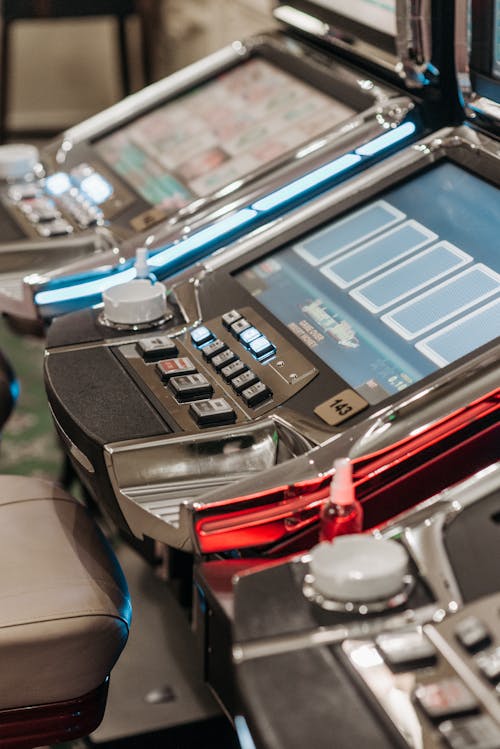
In practice, casinos and sportsbooks that incorporate Pin Jesus often do so with culturally resonant aesthetics. For online platforms, religious motifs may be embedded through themed slot game backgrounds, icons, or reward tokens featuring biblical scenes or saintly imagery. Offline betting shops, especially in faith-centric regions, display religious symbols prominently, integrating them into decor, signage, and promotional materials to create an environment that feels spiritually safe and morally respectable. Such practices foster a sense of community ownership and moral alignment, which are critical in a society where faith and social identity are heavily intertwined.
In practice, casinos and sportsbooks that incorporate Pin Jesus often do so with culturally resonant aesthetics. For online platforms, religious motifs may be embedded through themed slot game backgrounds, icons, or reward tokens featuring biblical scenes or saintly imagery. Offline betting shops, especially in faith-centric regions, display religious symbols prominently, integrating them into decor, signage, and promotional materials to create an environment that feels spiritually safe and morally respectable. Such practices foster a sense of community ownership and moral alignment, which are critical in a society where faith and social identity are heavily intertwined.
This symbol also influences perceptions of trustworthy operation. When players see familiar religious imagery, they subconsciously associate such platforms with safety and divine oversight, reducing apprehension around transparency and fairness—concerns prevalent in unregulated or less transparent gambling environments. This perceived moral seal makes platforms featuring Pin Jesus more appealing, particularly to conservative segments that prioritize spiritual approval in their entertainment choices.
Furthermore, the strategic use of Pin Jesus extends to marketing campaigns, especially during religious festivals such as Christmas and Easter. Promotions during these periods often include religious-themed messages and symbols, reinforcing the idea that engaging with these betting platforms is not merely entertainment but also spiritually blessed activity. Such campaigns are designed to deepen emotional bonds, foster community trust, and amplify brand loyalty.
In crypto casinos, Pin Jesus symbols are subtly embedded within digital payment gateways or interface graphics, projecting an aura of stability and divine protection over financial transactions. By aligning religious symbolism with technological ease, platforms aim to appeal to a broader demographic seeking both spiritual reassurance and cutting-edge gambling innovations. This seamless fusion of faith and tech demonstrates Nigeria’s evolving gambling culture—one that values spiritual assurance alongside modern convenience.
Examining the industry’s trajectory, the role of Pin Jesus is likely to evolve with technological advances. Virtual reality (VR) environments or augmented reality (AR) features may incorporate religious iconography more immersively, creating a spiritually infused gambling experience that further anchors user confidence and cultural relevance. As such, religious symbols like Pin Jesus will continue to serve as powerful branding and trust-building tools, reflecting Nigeria’s unique confluence of faith, community, and commerce.
From the marketing perspective, platforms employing Pin Jesus aim to differentiate themselves by highlighting moral legitimacy. This involves not just aesthetic integration but also storytelling—aligning the brand with divine blessings and moral virtues, which deeply resonates in Nigerian society. Such positioning elevates gambling from mere entertainment to a culturally acceptable activity, often perceived as guided or protected by divine forces—a narrative that sustains user loyalty and engagement over time.
Operationally, this means integrating Pin Jesus into user interfaces, promotional offers, and loyalty schemes. For instance, bonus schemes during religious observances might feature religious icons and messages of divine favor, reinforcing the moral and spiritual connection. Player testimonials often highlight feeling blessed or divinely supported after engaging with these platforms, producing community-driven endorsements that further entrench the religious symbolism in the local gambling ethos.
In sum, the use of Pin Jesus in Nigeria’s gambling environment is deeply rooted in cultural values and is carefully woven into branding, marketing, and user experience strategies. It enables operators to build trust, foster loyalty, and differentiate amidst fierce competition, all while respecting the societal importance of faith. As the sector continues to grow and embrace digital transformation, religious symbolism will remain a central element—adapting in form but consistent in cultural significance.
In addition, the community perception of gambling platforms featuring Pin Jesus often hinges on social narratives—players sharing stories of divine blessings or spiritual intervention related to their gambling successes. These testimonials reinforce communal belief in the moral and spiritual legitimacy of betting activities endorsed through religious symbolism. Such feedback loops increasingly influence new user participation, creating a virtuous cycle where faith and gambling are mutually reinforcing within local communities.
Ultimately, the strategic application of religious icons like Pin Jesus in Nigeria’s gambling industry exemplifies a culturally intelligent approach—one that recognizes spiritual values as both a trust metric and a marketing asset. As the industry evolves with technological innovations and shifting consumer behaviors, these symbols’ relevance will likely expand, further embedding faith into the fabric of Nigeria’s gambling landscape, making it a defining feature of the market’s identity and growth trajectory.
The persistent integration of Pin Jesus within Nigeria's gambling industry underscores a unique intersection of faith, culture, and commerce. Its presence not only influences individual gambling behaviors but also shapes industry standards and community perceptions. As players increasingly seek environments that mirror their spiritual and cultural values, the employment of Pin Jesus becomes a strategic asset for operators aiming to establish trust and moral legitimacy. This phenomenon demonstrates a broader trend where religious and cultural symbols are harnessed to foster emotional bonds, differentiate brands, and promote responsible engagement in a sector often scrutinized for trustworthiness.
Operators must balance this symbolic use with cultural sensitivity, ensuring that religious motifs are incorporated respectfully and thoughtfully. When done correctly, Pin Jesus can elevate the gaming experience, transforming it into a culturally resonant activity that aligns with societal norms and personal beliefs. For players, this symbolism provides reassurance—a perceived divine endorsement that their participation is morally aligned and spiritually protected. Such perceptions reinforce loyalty and community bonds, making religious imagery a potent tool not only in marketing but also in cultivating a trustworthy gambling environment.
Looking ahead, the continuous evolution of technological platforms like virtual reality, augmented reality, and digital payment systems offers new avenues for embedding religious symbols such as Pin Jesus more immersively and authentically. These advancements hold the potential to deepen the spiritual connection, making gambling experiences more personalized and culturally aligned. Furthermore, community-driven feedback and community-centric campaigns involving Pin Jesus can further strengthen trust and participation, especially when players see their faith reflected in platform branding, game content, and promotional offers.
It is crucial for industry stakeholders to maintain ethical standards and cultural respect when leveraging religious symbols. Responsible branding, clear communication, and engagement with community leaders can ensure that the symbolism enriches the user experience without trivializing sacred imagery. As Nigeria’s gambling sector advances, the strategic and culturally conscious use of Pin Jesus will remain a vital component in fostering an industry that is not only profitable but also culturally integrated, morally considerate, and socially responsible.
Ultimately, the enduring relevance of Pin Jesus in Nigeria’s gambling landscape exemplifies how deeply cultural and religious identities influence economic activities. Its strategic deployment highlights a nuanced understanding of the local societal fabric, emphasizing trust, moral legitimacy, and emotional engagement. As operators continue to innovate and adapt, religious symbols will likely evolve in form but remain central in shaping Nigeria’s vibrant, faith-infused gambling environment, reinforcing the symbiotic relationship between faith and entertainment.